The hardest part of winter riding is balance: dress too light and you freeze, dress too warm and you sweat, then freeze. The answer is layers you can adjust, plus good protection for your hands, feet and head, which get cold first.
A simple rule: you should feel a little cool for the first ten minutes of the ride. If you are warm when you step outside, you will overheat once you start pedaling.
Our quick picks
| Best for | Product | Why | |
|---|---|---|---|
| Best outer layer | GOREWEAR C3 WINDSTOPPER Thermo Jacket | Fleece-lined, wind-blocking jacket | Check price |
| Best for frozen hands | PEARL IZUMI AmFIB Lobster Gloves | Lobster-style winter gloves | Check price |
| Best for your neck and face | Buff Midweight Merino Neck Gaiter | Merino neck warmer | Check price |
| Best for your feet | GOREWEAR Sleet Insulated Overshoe | Insulated shoe covers | Check price |
| Best under your helmet | Thermal Skull Cap Helmet Liner | Thin cap under the helmet | Check price |
How we chose
We did not accept free products or payment for this guide. We have not tested these products ourselves. We compared the specifications published by each brand, looking at:
- Warmth for the weight
- Wind protection
- Comfort while pedaling
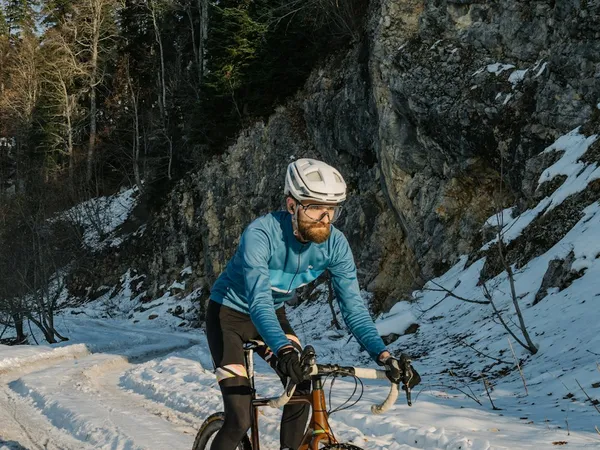 Illustrative photo
GOREWEAR C3 WINDSTOPPER Thermo Jacket
A wind-blocking jacket is the key piece for cold rides. According to GOREWEAR, the C3 WINDSTOPPER Thermo Jacket is a fleece-lined thermal softshell that insulates and blocks wind, with a road cycling fit, inner cuffs and rear pockets.
- Blocks cold wind
- Fleece lined
- Cycling-specific fit
- Not fully waterproof
- Sporty fit runs slim
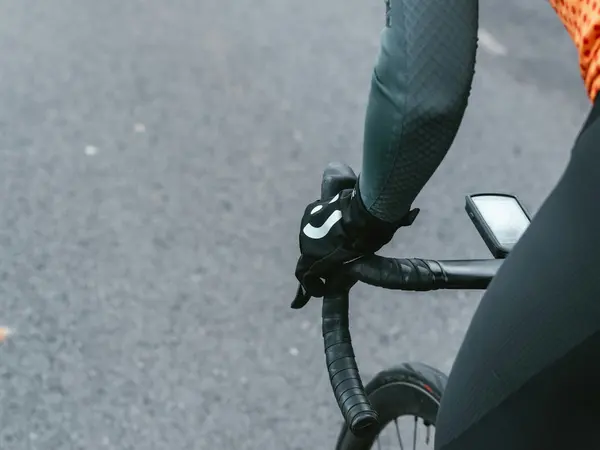 Illustrative photo
PEARL IZUMI AmFIB Lobster Gloves
Lobster gloves group your fingers in pairs, which keeps them warmer than five-finger gloves while still letting you brake and shift.
- Very warm
- Still lets you brake
- Wind blocking
- Less dexterity
- Bulky
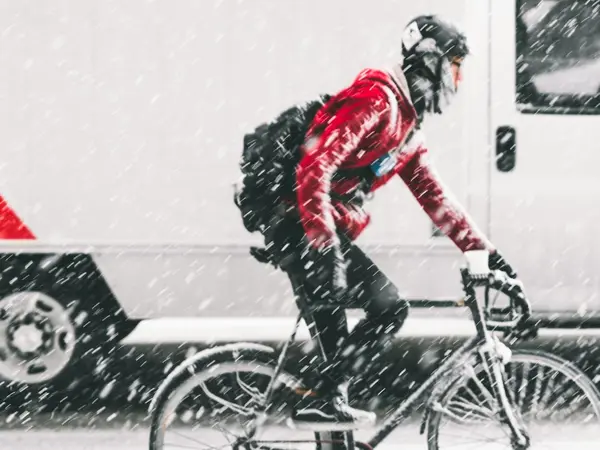 Illustrative photo
Buff Midweight Merino Neck Gaiter
A merino neck gaiter seals the gap at your collar and can be pulled up over your face on the coldest days.
- Warm and soft
- Easy to adjust
- Packs small
- Not windproof
- Hand wash recommended
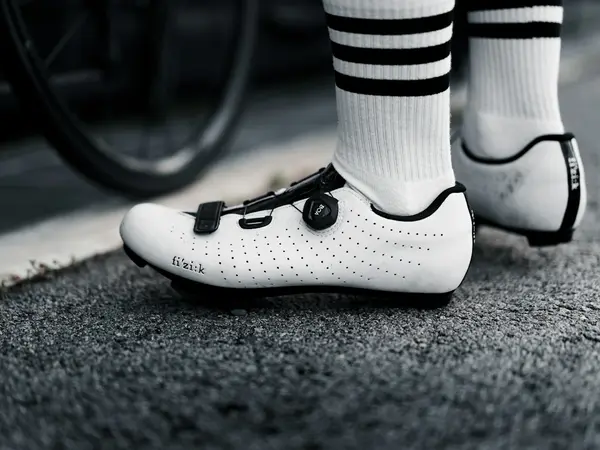 Illustrative photo
GOREWEAR Sleet Insulated Overshoe
Cold feet end more winter rides than anything else. Insulated overshoes block wind and road spray over your cycling shoes.
- Warm feet
- Blocks spray
- Easy on and off
- For clip-in shoes
- Check sizing
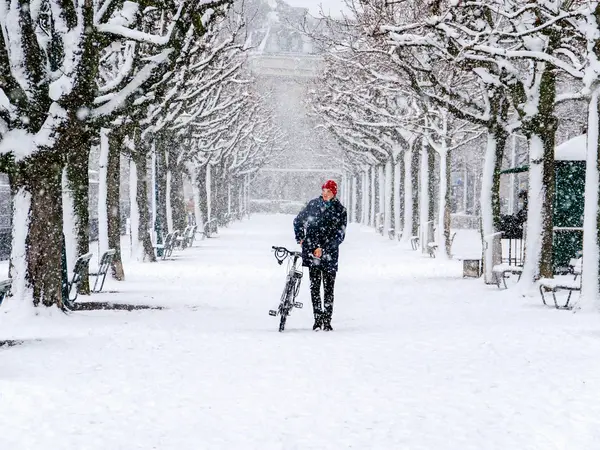 Illustrative photo
Thermal Skull Cap Helmet Liner
A thin cap under your helmet keeps your head and ears warm without changing the helmet fit much.
- Covers ears
- Thin
- Cheap
- May need helmet adjustment
- Basic materials
The three-layer system
- Base layer: a snug long-sleeve top that moves sweat away from your skin. Merino or synthetic, not cotton.
- Mid layer: a thermal jersey or fleece on very cold days.
- Outer layer: a windproof jacket. Wind is what makes cold rides painful.
For your legs, thermal tights or winter bib tights work well. Commuters can wear windproof pants over regular clothes.
Protect your hands, feet and head first
Your body cuts blood flow to your hands and feet when you get cold, so they suffer first. Spend money on good gloves, shoe covers and a neck or face cover before an expensive jacket.
More winter riding tips
- Carry a light extra layer for stops or flats.
- Keep your phone in an inside pocket; cold drains batteries fast.
- Days are short, so use lights even in the afternoon.
- E-bike riders: see our battery winter care guide.
Frequently asked questions
What should I wear cycling at freezing temperatures?
A base layer, a thermal mid layer, a windproof jacket, thermal tights, warm gloves, shoe covers and a cap or neck cover. Adjust as you learn what works for you.
Should I wear a winter coat on a bike?
A normal winter coat often makes you sweat. A windproof cycling jacket over layers usually works better.
How do I keep my feet warm?
Wear warm socks that are not too tight, add shoe covers to block wind and spray, and avoid shoes that squeeze your feet.
Specs credited to a brand were checked on that brand’s official website in November 2026. For other products we avoid specific numbers; always confirm details on the product page before buying. We have not tested these products in person. Specs, prices and availability can change. We have not received free products or payment from any brand mentioned here.